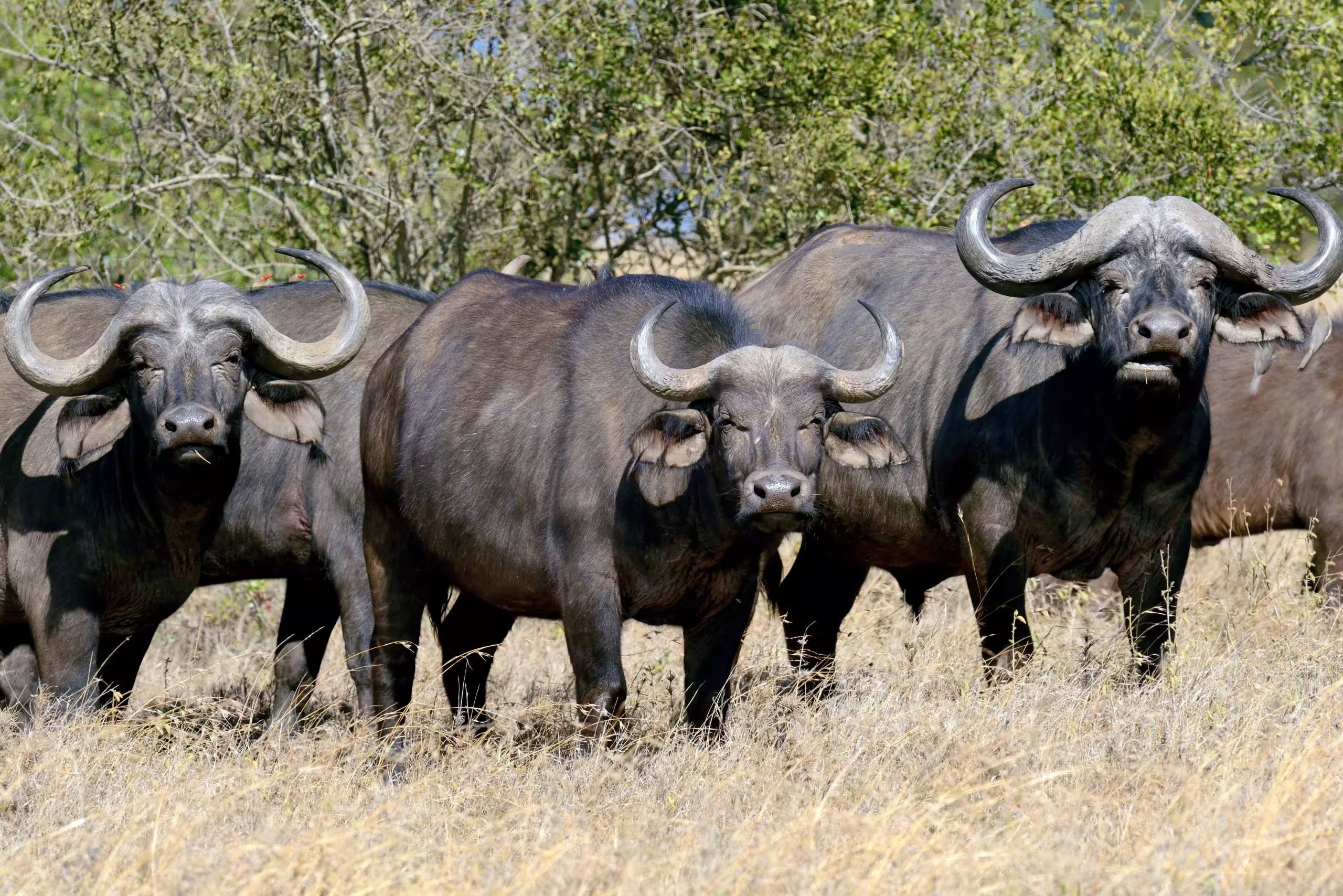
A safari designed
around the lens
A photography-focused safari is a different animal entirely. Smaller groups, dedicated photographic vehicles, expert guides who understand the patience required for the right image, and itineraries built around light and behaviour rather than checklists. For serious wildlife photographers and serious enthusiasts alike.
The unhurriedwildlife photographer's safari
Most safaris are designed for travellers who want to see as much as possible. Photography safaris are designed for travellers who want to capture something memorable. The two are very different. A general safari moves on as soon as the wildlife disperses; a photography safari waits, repositions, and waits more. A general safari covers three parks in seven days; a photography safari stays four nights in one excellent location to learn the light. A general safari has six guests in a vehicle; a photography safari has four (or fewer), each with two window seats and dedicated camera mounts.
We have built our photography programme around a small fleet of custom-converted Land Cruisers — gimbal mounts at every window position (Wimberley-compatible), beanbag rests on every window rail and roof rim, dust-sealed equipment storage between seats, and inverters and USB charging at every seat. Guides selected specifically for photographic patience and animal-behaviour expertise — the kind of guide who reads body language, predicts the moment before it happens, and positions the vehicle for the right angle without being asked.
Our photographic itineraries lean into extended stays — minimum three nights at any one location, often four or five. Migration-season Serengeti, big-cat-rich central Serengeti, predator-dense Ngorongoro Crater, the elephants of Tarangire — these are our preferred targets. We can also tailor itineraries around specific subjects: cheetahs of the southern plains, leopards of Manyara forest, the elusive wild dogs of Ruaha. Tell us what you want to photograph, and we design the safari around the subject.
What makes thisexperience itself
Custom vehicles4 guests max
Expert guidesphotographic specialists
Extended staysthree nights minimum
Light-led itinerariesgolden hours
Specialist add-onsstudio support
The best parksfor this experience
Serengeti — Central
Predator action, classic safari light, plains forever
Explore park → 02Ngorongoro Crater
Wildlife density, dramatic backdrop, low-angle morning light
Explore park → 03Ruaha
Mega-prides, elephant herds, less photographed than the north
Explore park → 04Tarangire
Elephants, baobabs, sunset silhouettes
Explore park →Photography is rewarding year-round, but our peak recommendations: late August through October (Mara crossings, dust, dramatic light); February (calving and predator action); March (green landscapes, dramatic post-rain skies for landscape work).
What thisactually involves
We recommend bringing a 200-500mm or 200-600mm telephoto plus a wide-angle for landscape work. Two camera bodies if possible. We can arrange equipment rental in Arusha but selection is limited.
Things travellersoften ask
Ready forphotography safaris?
Tell us your dates and what matters most. We design every Photography Safaris itinerary personally.