Tanzania is the country where the famous African wildlife photographs are taken. Where 1.5 million wildebeest cross rivers in front of crocodiles. Where Kilimanjaro rises 5,895 metres from the savannah. Where the Ngorongoro Crater holds the densest population of mammals on Earth. Where the spice trade built Stone Town a thousand years ago. Where Olduvai Gorge holds humanity's deepest fossil record.
And yet, despite being the source of more African travel imagery than any other country, Tanzania remains genuinely unfamiliar to most travellers. The names — Serengeti, Ngorongoro, Kilimanjaro, Zanzibar — register; the actual country behind them does not. Where exactly is it? Is it safe? When should you visit? How does a trip work? What does it cost?
This pillar guide answers those questions at a high level and points to detailed resources for the parts that matter most to you. Read top to bottom for a complete picture. Or skim and follow the links.

Tanzania is a country of extraordinary breadth — wildlife, mountains, beaches, cultures, history. This page is the starting point: a high-level introduction with links to every detailed resource we have built. Read it through, then dive into the parts that interest you.
Quick reference. Geography, population, language, currency, time zone, electricity — the basics every traveller wants to know first.
Tanzania is not the cheapest or easiest African destination. It is, by a meaningful margin, the most-recommended one. Here is why.
Tanzania has the largest lion population in Africa, the highest concentration of wildlife on Earth in Ngorongoro Crater, and the Great Migration — 1.5 million wildebeest moving across the Serengeti year-round. Eleven major parks, eight thousand species, and protected areas covering nearly a third of the country.
Beach, bush, mountain, culture — Tanzania uniquely lets you combine them in a single trip. Climb Africa's tallest peak in the morning, see wildebeest river crossings in the afternoon, snorkel coral reefs by the weekend. No other African country offers this concentration of headline experiences.
Tanzania has been politically stable since independence in 1961 — uncommon in the region. Crime against tourists is rare. The country is welcoming, peaceful, and easy to travel through. Most travellers leave wishing they had stayed longer.
Tanzania has six broad regions, each suited to different travellers. Most safaris combine two or three of them.
01
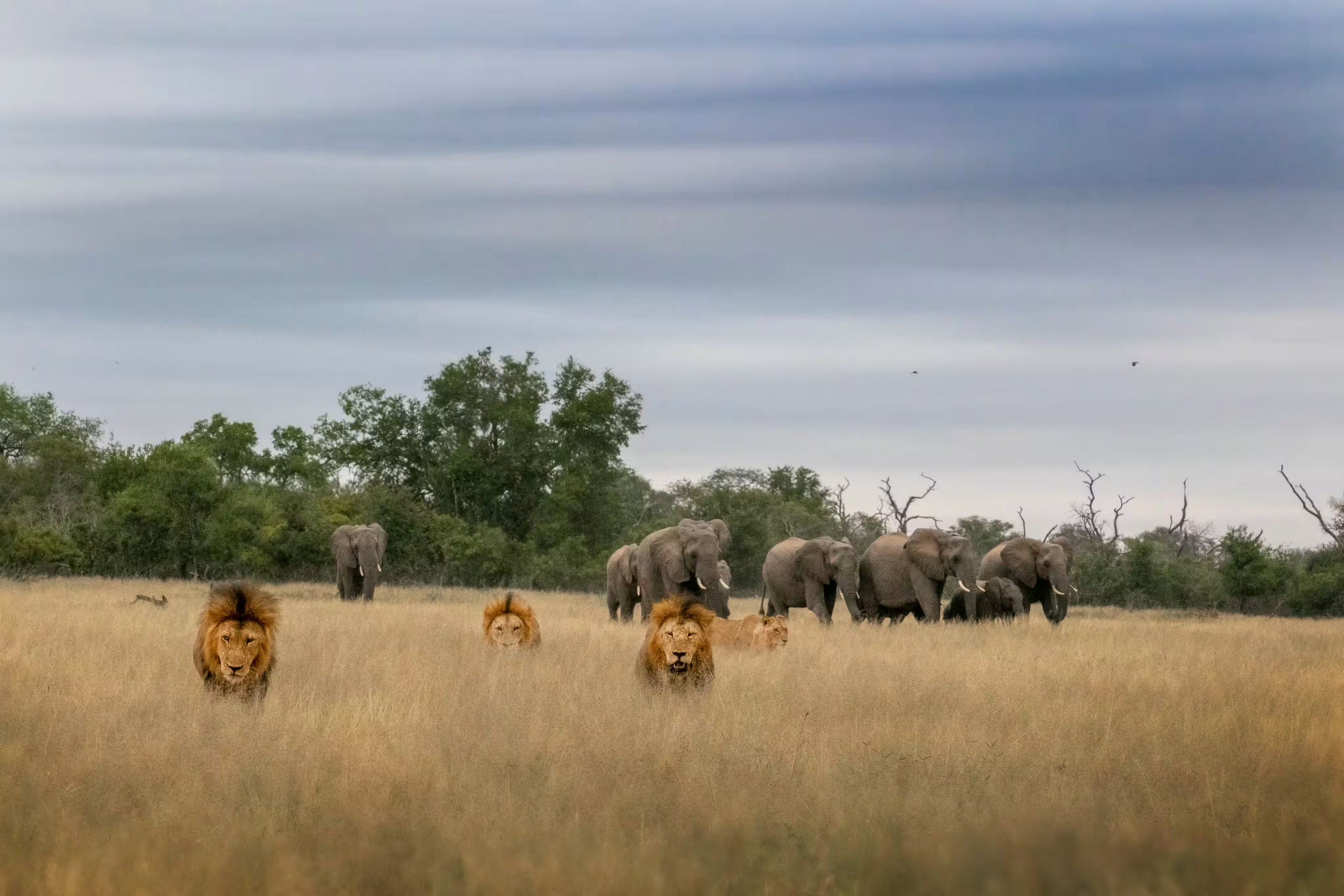
Tarangire, Manyara, Ngorongoro, Serengeti — the classic safari route. Best wildlife density on the continent.
Explore region →
02
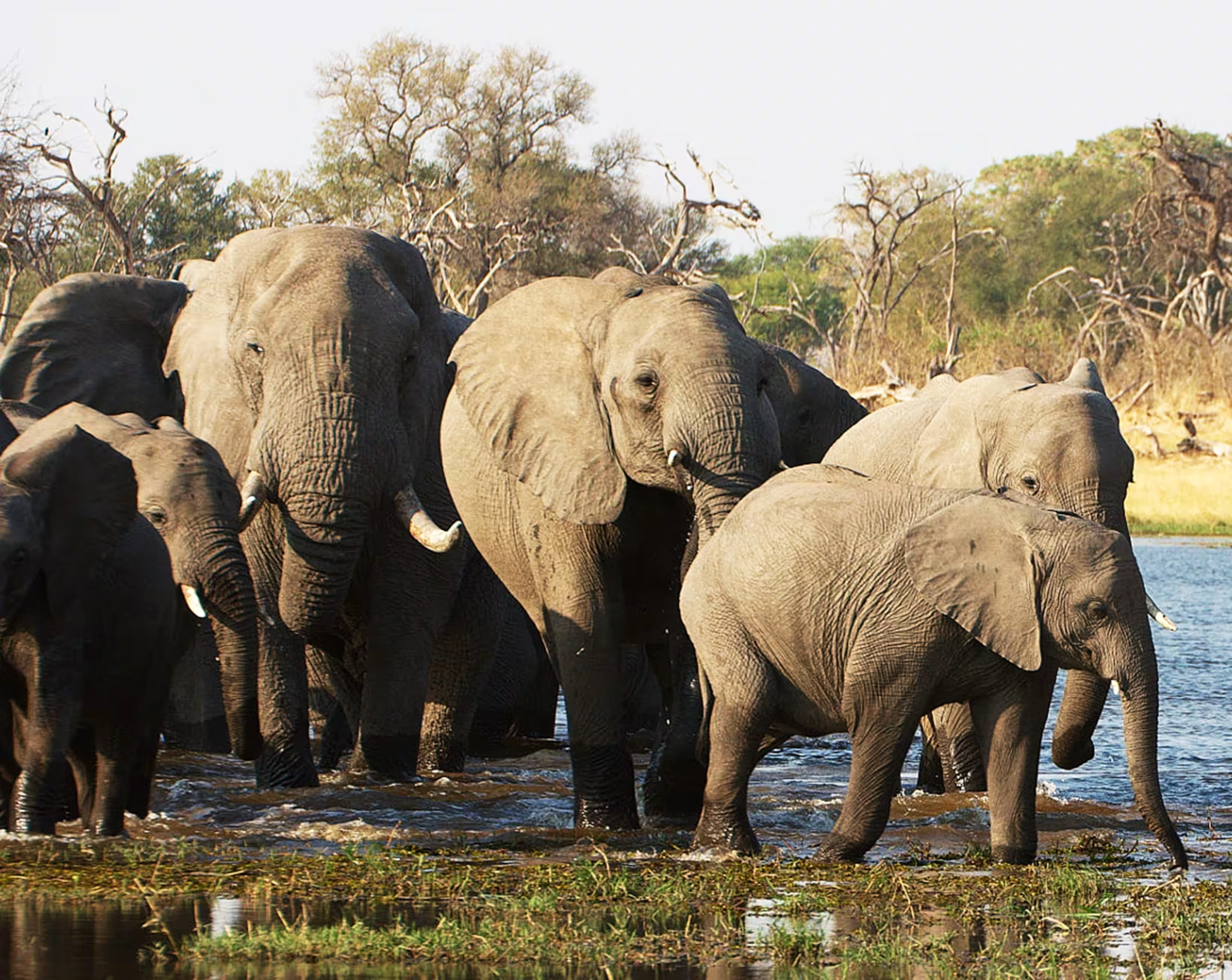
Ruaha and Nyerere/Selous — vast, quiet, walking safaris. The Africa fewer travellers see.
Explore region →
03
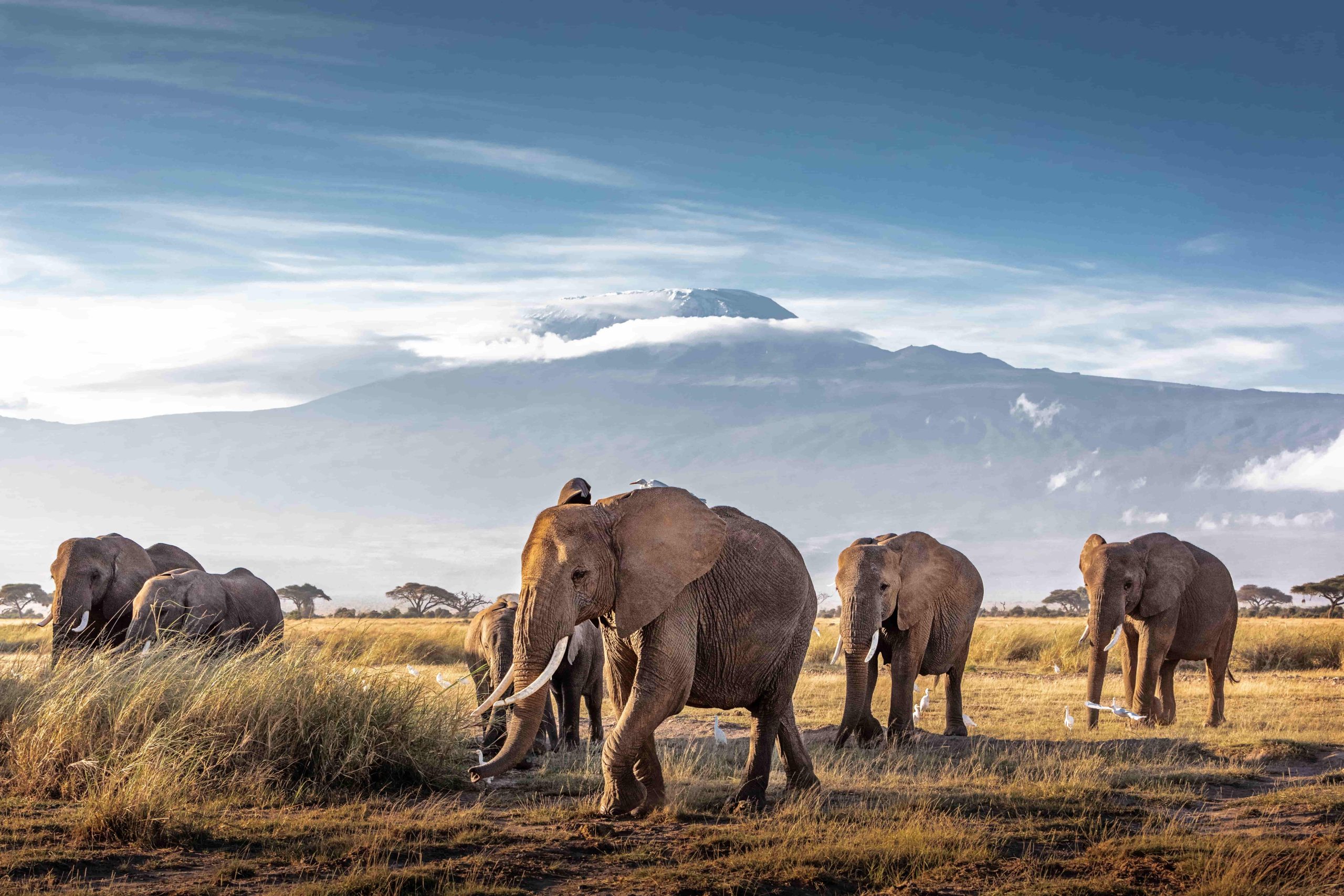
Africa's highest peak and its underrated neighbour. 5-9 day climbs through five climate zones.
Explore region →
04
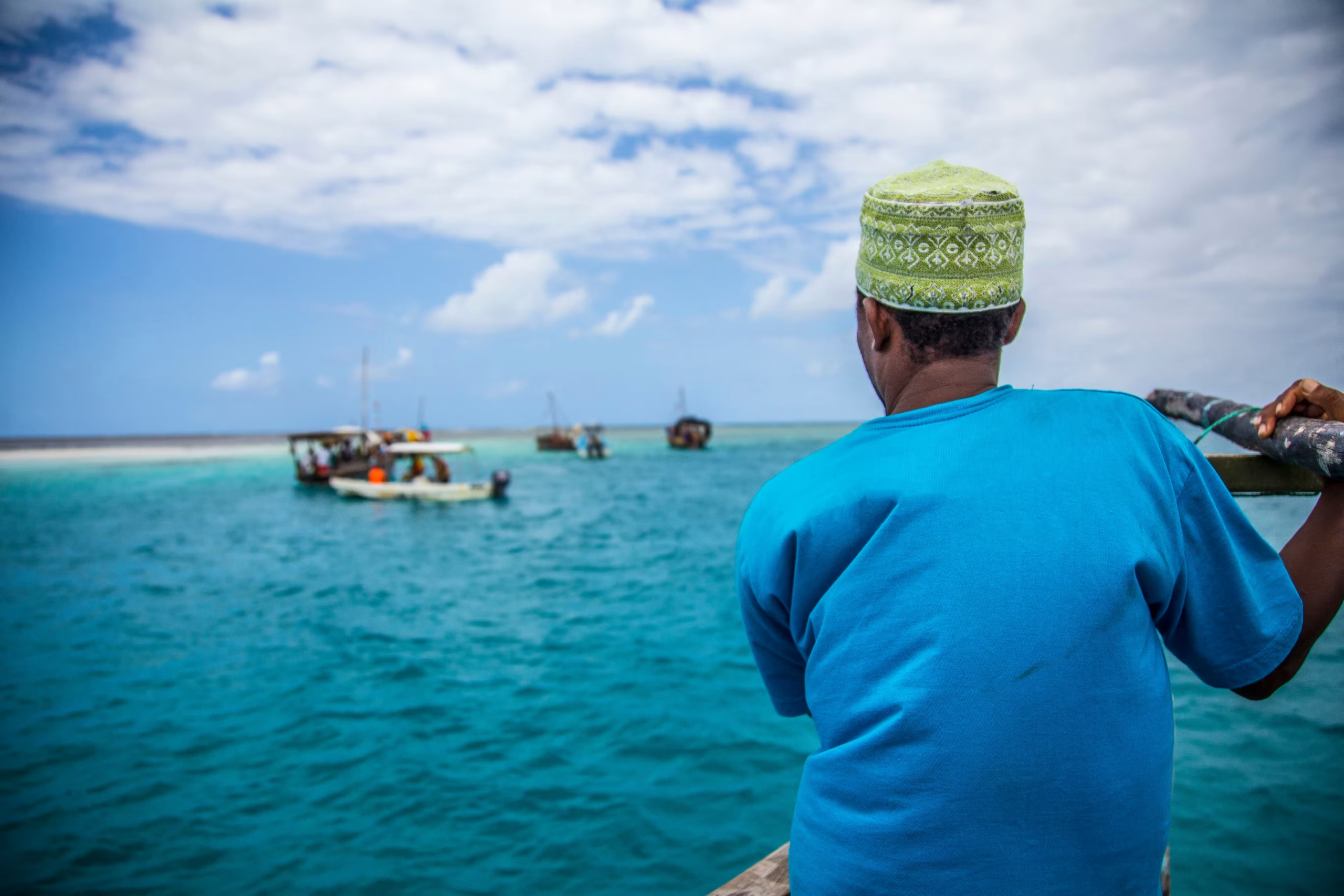
Unguja, Pemba, Mafia — Indian Ocean islands with white sand, ancient stone towns, world-class diving.
Explore region →
05
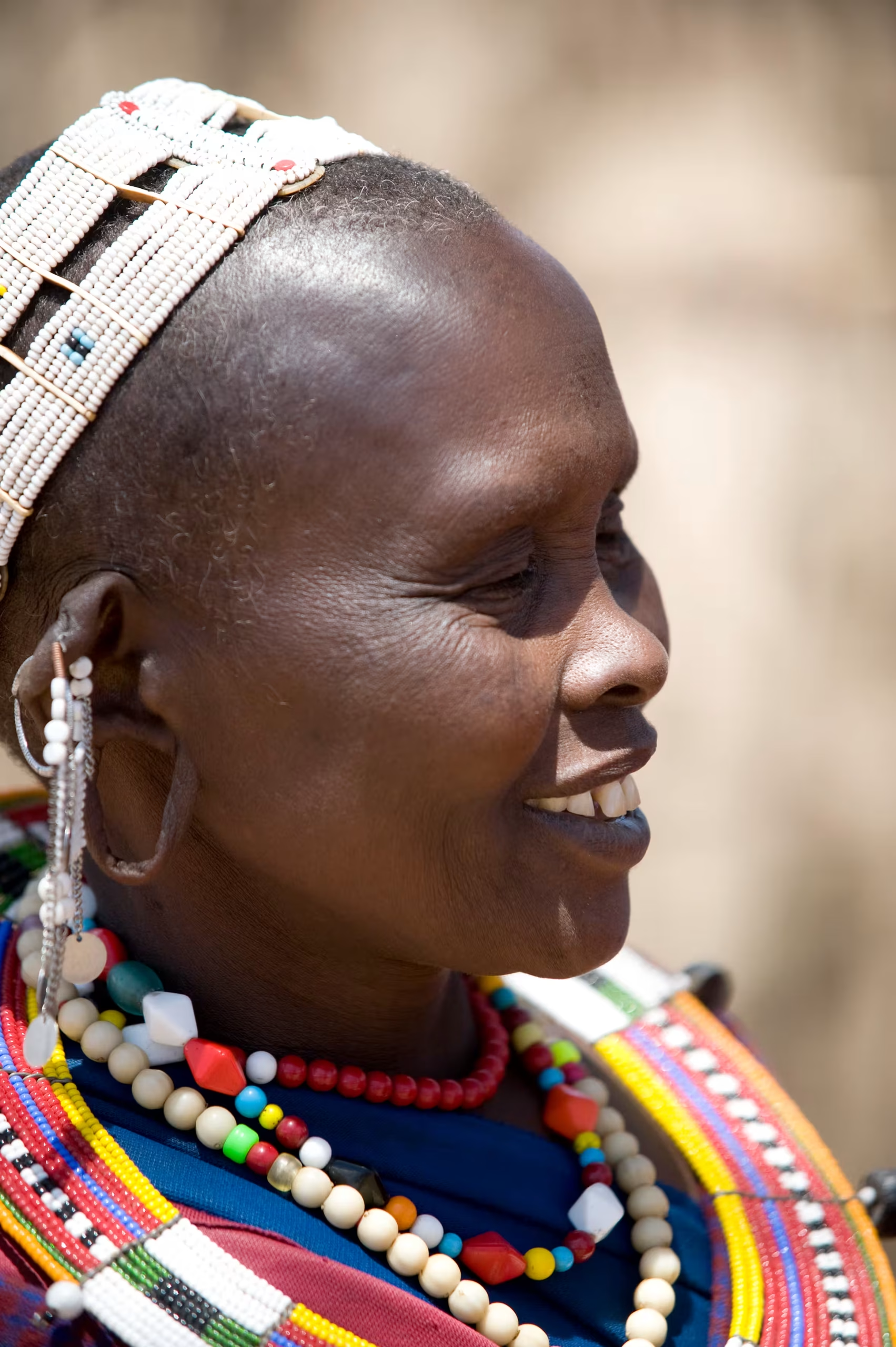
Spend time with the Maasai pastoralists of Loliondo and the Hadzabe hunter-gatherers of Lake Eyasi.
Explore region →
06
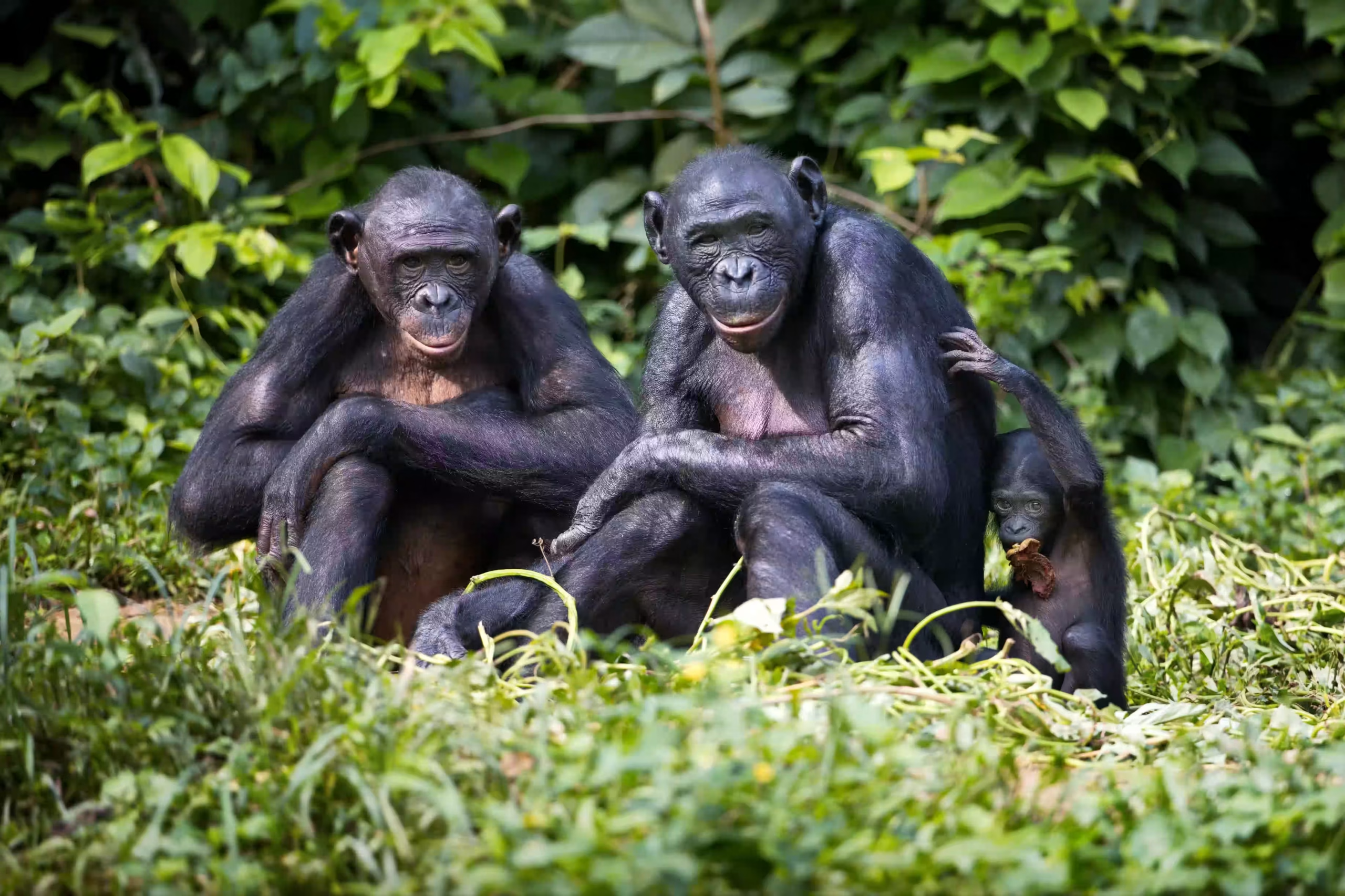
Chimpanzee tracking on Lake Tanganyika. The most remote — and the most rewarding for repeat travellers.
Explore region →Planning a Tanzania trip involves four big decisions: when to travel, where to go, what kind of trip, and how much to spend. The pages below cover each in depth.
01
Tanzania is good year-round — but every month is different. A detailed seasonal breakdown.
Read guide →
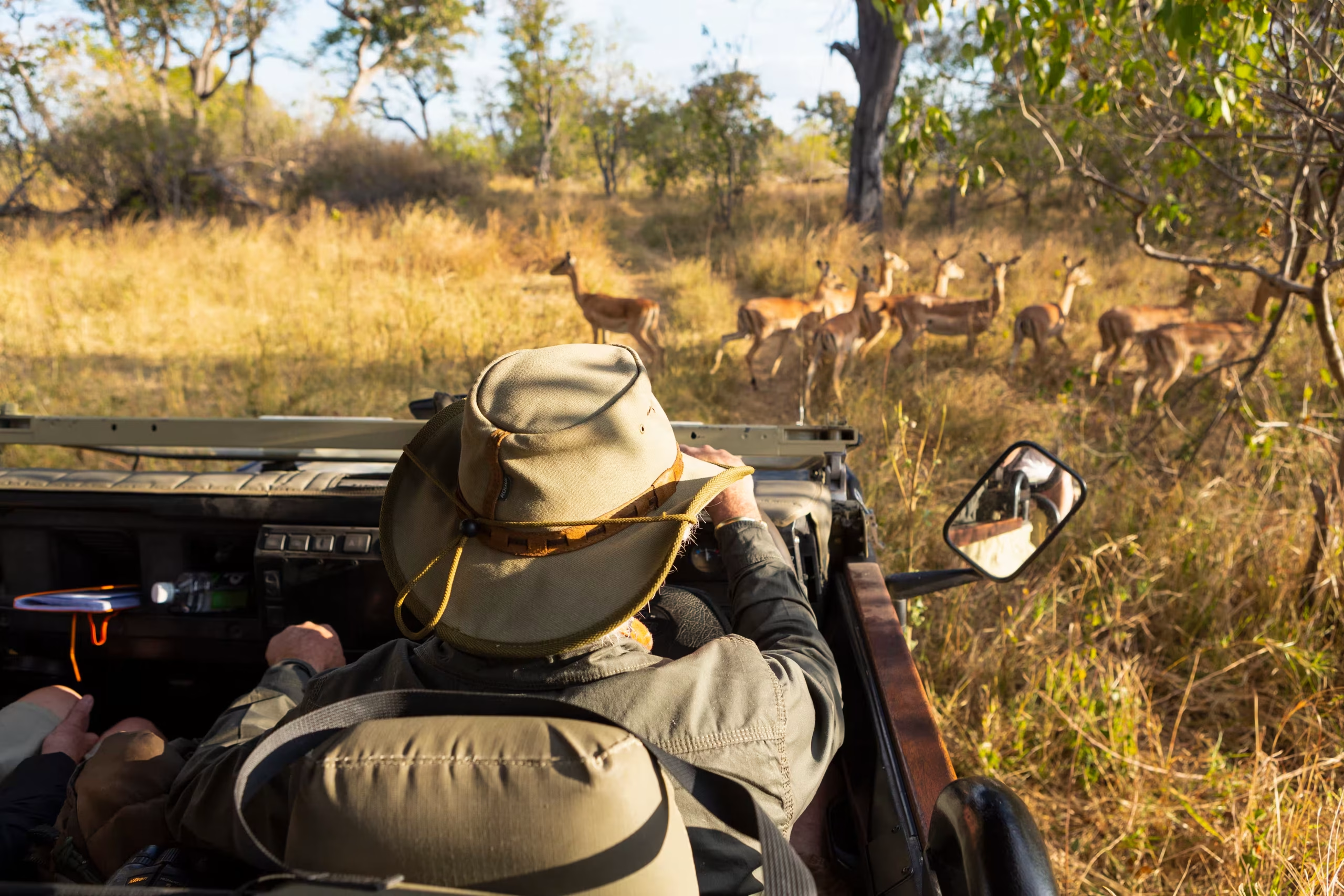
02
Eight-stage process from enquiry to post-trip follow-up. The complete planning roadmap.
Read guide →
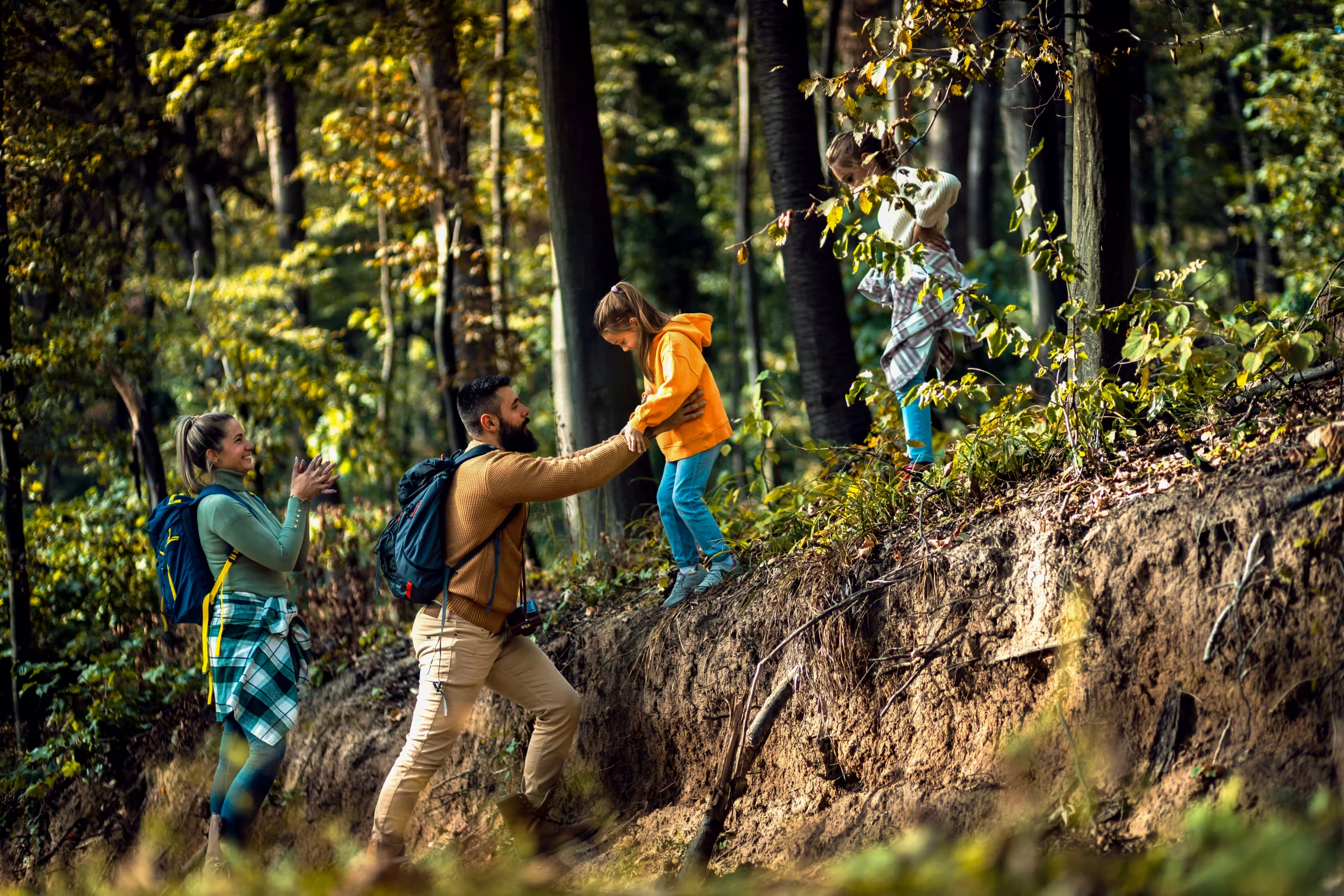
03
Eight curated itineraries — classic, romance, family, wilderness, photography — to start from.
Read guide →The six pages every Tanzania traveller eventually needs. Visa, health, packing, money, insurance, weather. Each linked to a comprehensive guide.

01
E-visa application, visa-on-arrival, passport rules, yellow fever, what to expect at Immigration.
Read guide →

02
Malaria prophylaxis, yellow fever, altitude medications, water and food safety, evacuation cover.
Read guide →
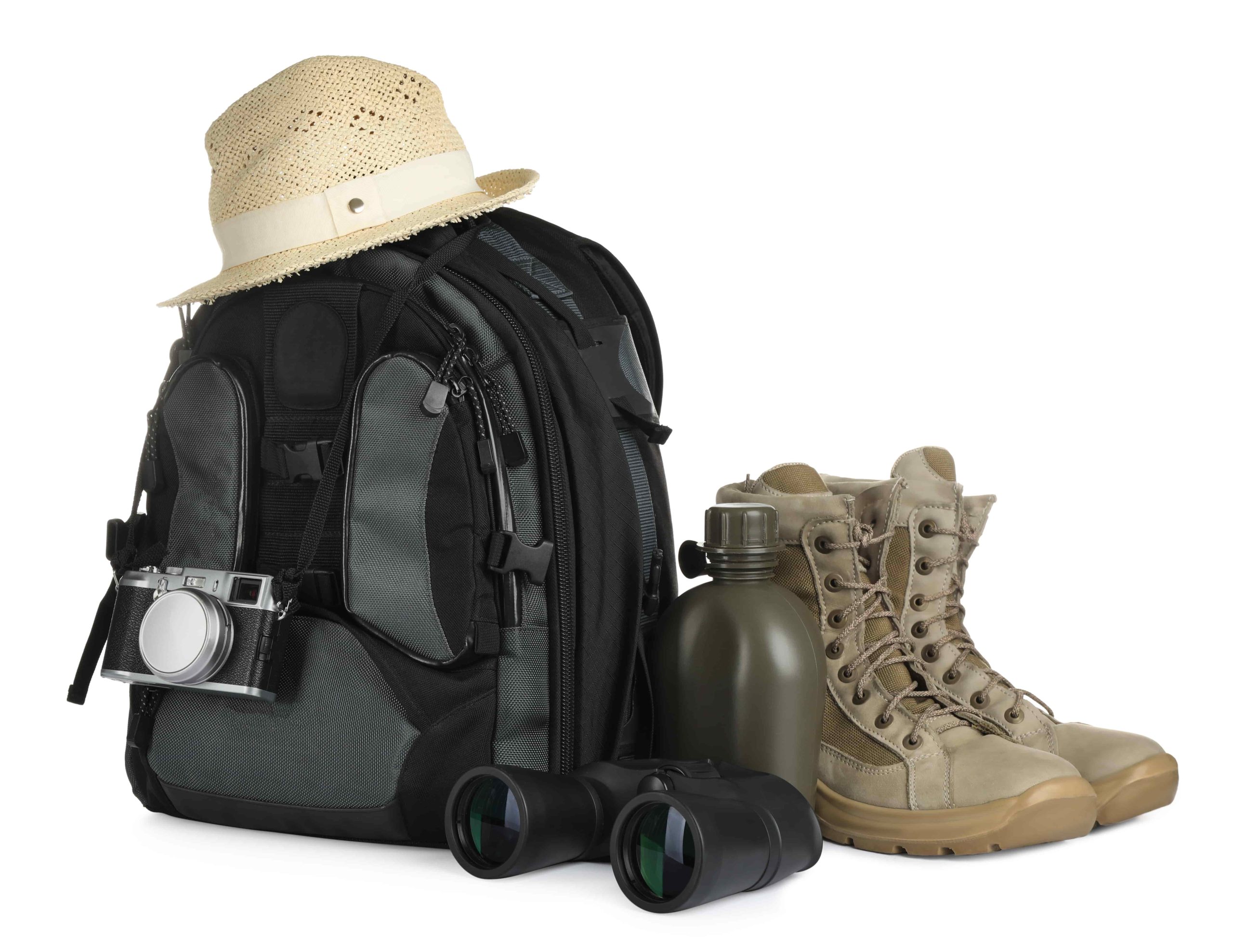
03
Complete packing checklist organised by trip type — safari, beach, mountain.
Read guide →

04
TZS vs USD, ATMs and cards, tipping guide, what things cost in Tanzania.
Read guide →

05
What your policy must cover, recommended providers, how to claim if needed.
Read guide →
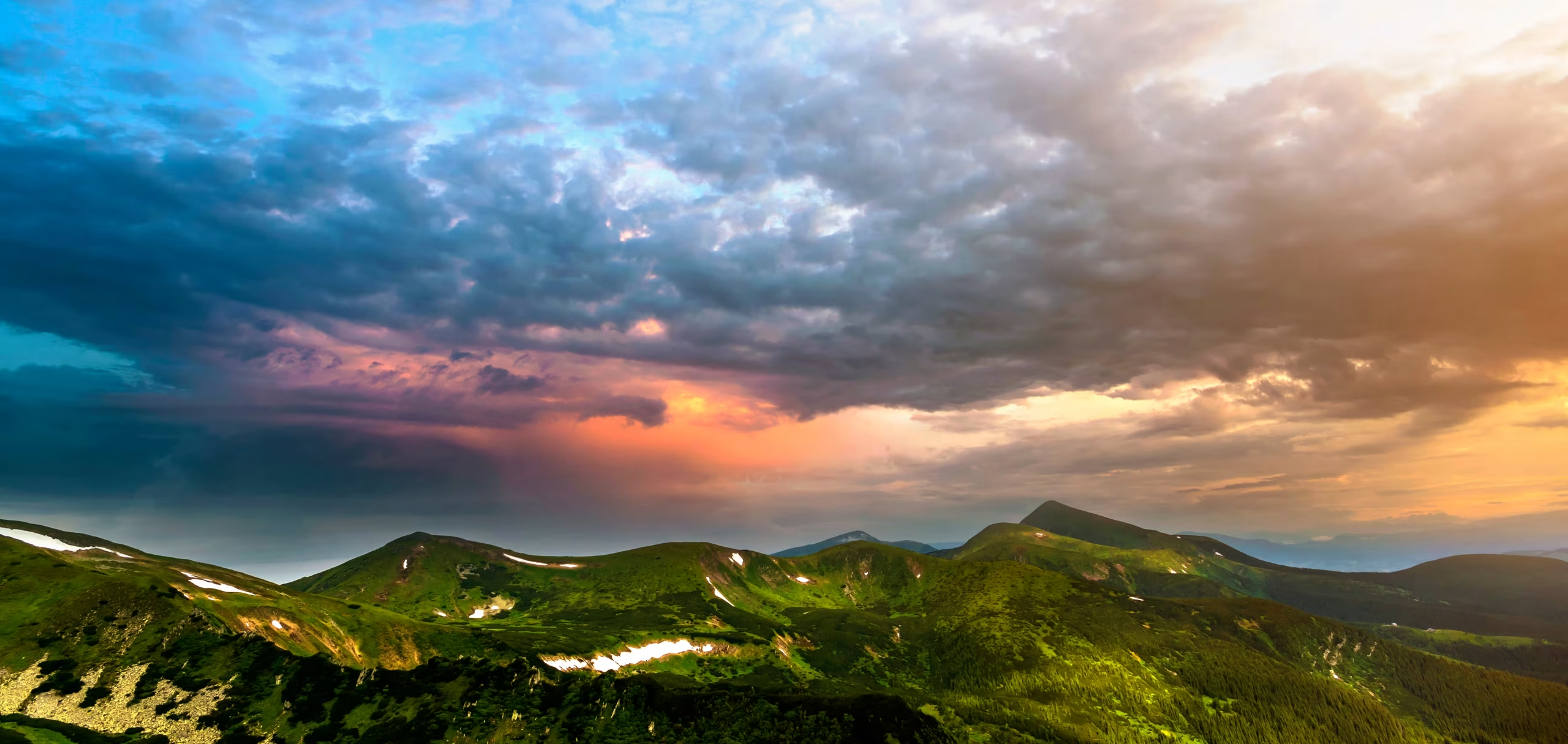
06
Detailed monthly weather breakdown — rainfall, temperatures, humidity, by region.
Read guide →Tanzanian food blends East African, Arab, Indian and Portuguese influences. Most lodges serve international menus, but if you eat where Tanzanians eat, here is what you will find.
Stiff maize porridge eaten by hand — the national staple, served with stews, vegetables and grilled meat. Bland alone, brilliant as a vehicle for sauces.
Grilled meat — usually goat or beef, marinated and char-grilled over wood fires. Eaten with kachumbari salad and ugali. The Tanzanian Sunday lunch.
Spiced rice cooked with cardamom, cinnamon, cloves, cumin and meat — typically beef. A Swahili coast dish of Indian Ocean origins. Particularly excellent on Zanzibar.
Marinated meat skewers grilled over charcoal — the street food version of nyama choma. A national favourite, particularly with cold Kilimanjaro lager.
Zanzibar-specific. A thick, spicy, tangy soup with potatoes, eggs, chickpeas, bhajia, mango and tamarind chutney. Sold from carts at Forodhani Gardens.
Cardamom-scented fried dough — somewhere between a doughnut and a beignet. Eaten with sweet tea or coffee for breakfast and mid-morning.
Indian-influenced flatbread, made with white flour and ghee, served with stews, vegetables, or eggs. A breakfast staple in northern Tanzania.
Coconut rice — a Swahili coast specialty. Plain rice cooked in coconut milk with a pinch of salt. Served with seafood curries or grilled fish.
Octopus in coconut sauce — the signature dish of Zanzibar and the coast. Tender octopus simmered with coconut milk, curry spices, lime and coriander.
Tanzania is mid-priced for African safari — not the cheapest, not the most expensive. Daily rates are all-inclusive of accommodation, meals, vehicle, guide, and park fees. See our planning guide for full detail.
Solid tented camps and mid-range lodges. The wildlife is identical to the luxury experience; the bathrooms are smaller.
Well-known mid-range safari brands. Reliable, comfortable, well-located. The most common tier travellers choose.
Top-tier camps with butler service, private game drives, exquisite cuisine, exceptional locations.
Private camps in exclusive concessions, private aircraft, the top of the safari market.
You have read the guide. Now talk to a real human about what you actually want from the trip.