Tarangire is the park most safari guests have never heard of — until they go. Then it becomes the one they cannot stop talking about. The Tarangire River, which gives the park its name, snakes through the heart of the reserve and becomes the lifeline of a vast dry-season ecosystem. During the dry months from June to October, more than 3,000 elephants gather along its banks — the highest density of elephants anywhere in Africa.
But Tarangire is more than elephants. It is the baobab forests — gnarled ancient trees, some 1,500 years old, scattered across the landscape like silent watchers. It is the rolling savannahs where lion prides patrol, the swamps that host an incredible diversity of birds, and the kopjes where the rare tree-climbing python coils on the warm rocks.
"Tarangire in October is the elephant safari. Nowhere else in Africa concentrates them like this — generations of family, gathered along a single river, in numbers that defy belief."
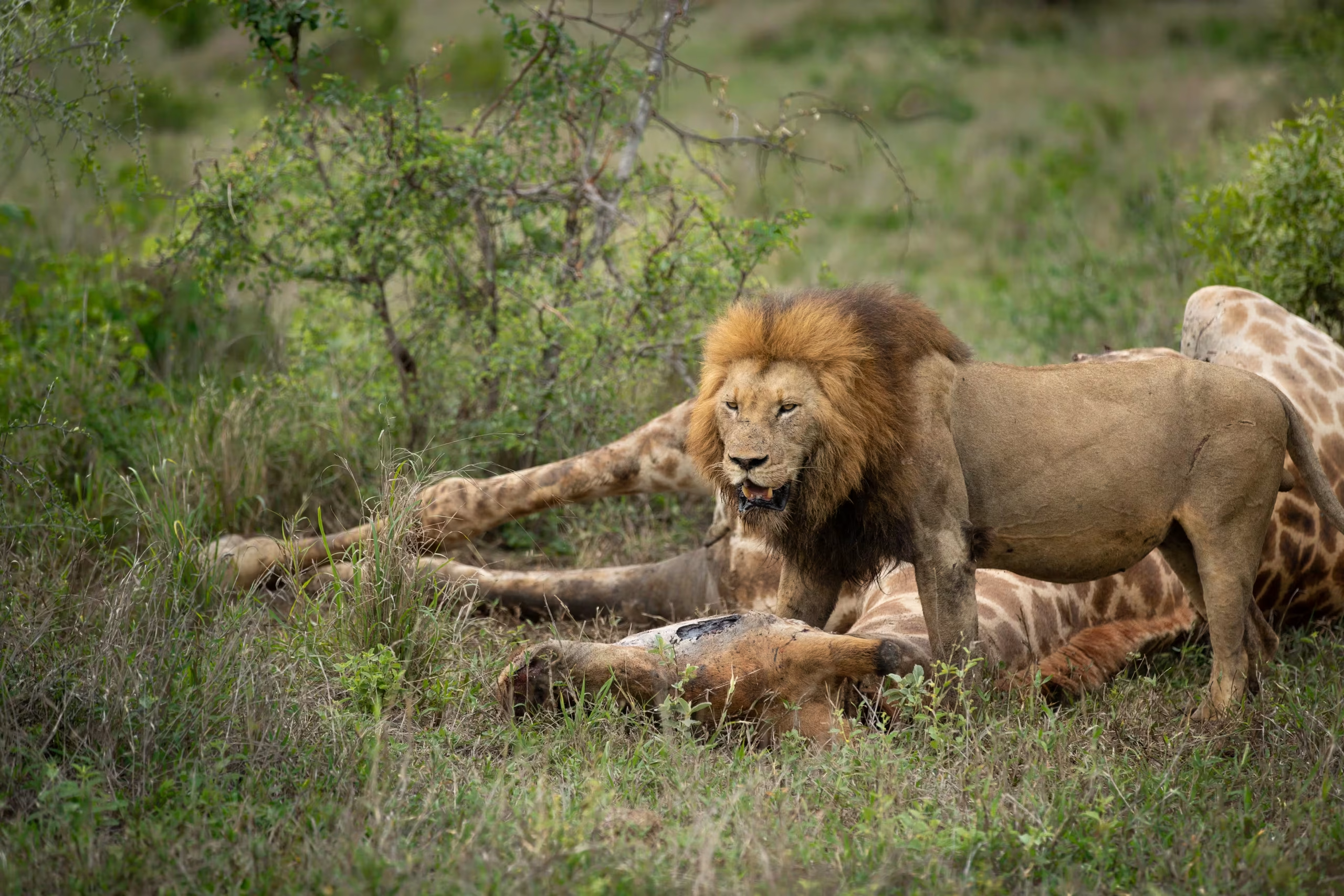
The park's 2,850 square kilometres also host massive herds of wildebeest, zebra, eland and impala — animals that pour into Tarangire from the dispersal areas during the dry season, drawn by permanent water. The wildlife concentration during peak dry season is staggering — second only, perhaps, to Ngorongoro itself.
And yet Tarangire feels wilder, quieter, more remote than its more famous neighbours. The roads are longer between vehicles. The bush is denser. The elephants seem older, more familial, more present. For travellers who want to feel they've found something — rather than queue up for it — Tarangire is the answer.