Heaven Getaway

Hero background
Northern Tanzania · The Elephant Kingdom

Tarangire
National Park

where baobabs reign

A 2,850 square kilometre kingdom of baobabs and elephants — Tanzania's most underrated park, home to the largest concentration of pachyderms on the continent during the dry season.

2,850sq km
3,000+elephants
1970established
550+bird species
6tree-climbing pythons
Scroll
The Land

Of baobabsand elephants

"Where the elephants own the river."
— A Maasai elder

Tarangire is the park most safari guests have never heard of — until they go. Then it becomes the one they cannot stop talking about. The Tarangire River, which gives the park its name, snakes through the heart of the reserve and becomes the lifeline of a vast dry-season ecosystem. During the dry months from June to October, more than 3,000 elephants gather along its banks — the highest density of elephants anywhere in Africa.

But Tarangire is more than elephants. It is the baobab forests — gnarled ancient trees, some 1,500 years old, scattered across the landscape like silent watchers. It is the rolling savannahs where lion prides patrol, the swamps that host an incredible diversity of birds, and the kopjes where the rare tree-climbing python coils on the warm rocks.

"Tarangire in October is the elephant safari. Nowhere else in Africa concentrates them like this — generations of family, gathered along a single river, in numbers that defy belief."

The park's 2,850 square kilometres also host massive herds of wildebeest, zebra, eland and impala — animals that pour into Tarangire from the dispersal areas during the dry season, drawn by permanent water. The wildlife concentration during peak dry season is staggering — second only, perhaps, to Ngorongoro itself.

And yet Tarangire feels wilder, quieter, more remote than its more famous neighbours. The roads are longer between vehicles. The bush is denser. The elephants seem older, more familial, more present. For travellers who want to feel they've found something — rather than queue up for it — Tarangire is the answer.
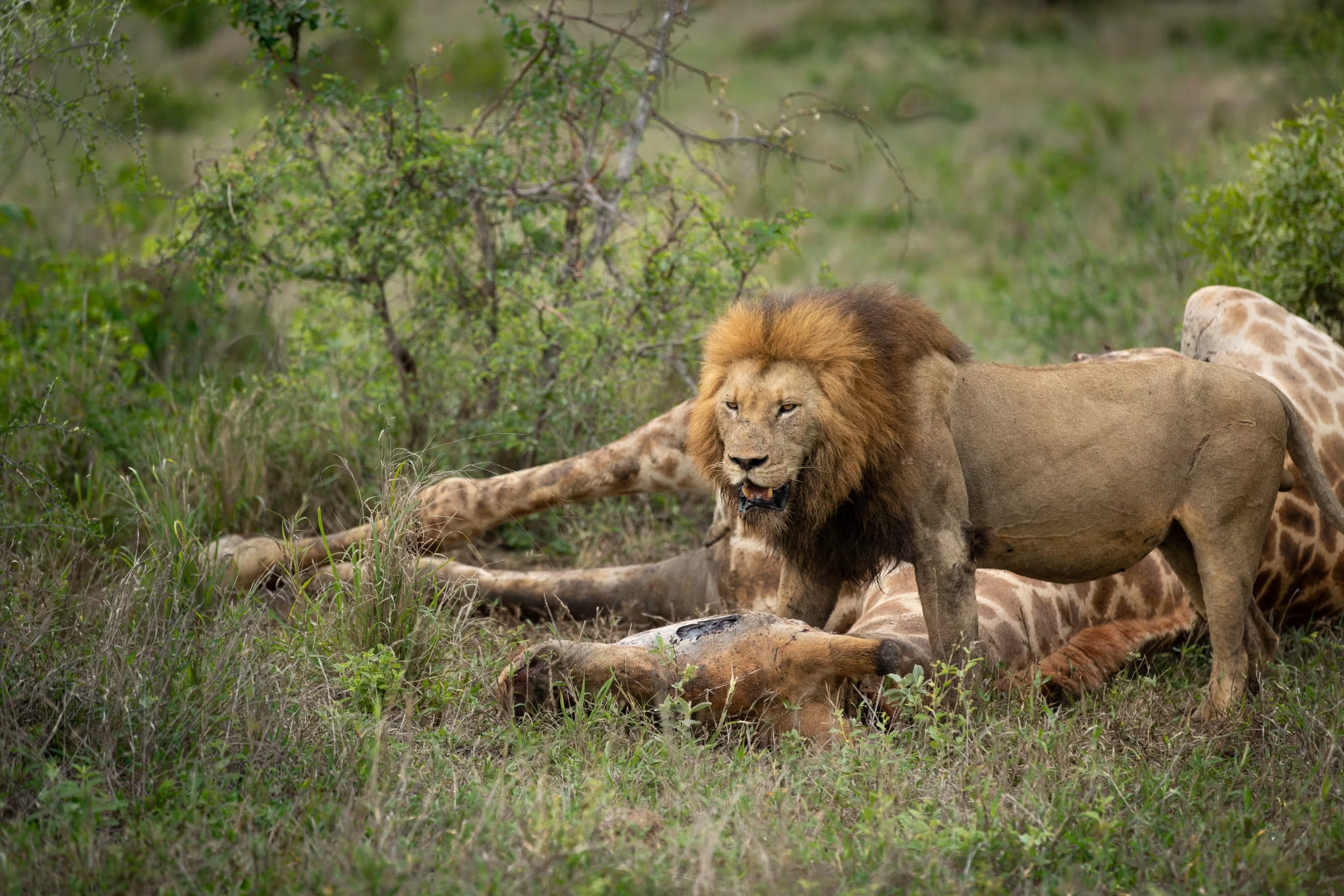
The Tarangire River

A river that drawsall of life

The Tarangire River is the lifeblood of the park — a permanent water source that during the dry season draws wildlife from hundreds of kilometres around. Here is how the seasons shape the river.

Jun – Aug

Elephants gather

The first major elephant migrations arrive at the river. By July, hundreds are present at any time — families bathing, mock-charging youngsters, old matriarchs leading their generations to favourite watering points.

Sep – Oct

Peak concentration

The dry season at its driest. 3,000+ elephants in the park. Lion prides patrol the riverbanks. Massive herds of zebra and wildebeest. The single best elephant safari on the continent.

Nov – Dec

Short rains

The first short rains bring relief. Wildlife begins to disperse, but the park stays magnificent — birds breeding, baobabs flowering, calf-foot herds following their mothers.

Jan – May

Green & quiet

Long rains transform Tarangire into emerald grassland. Most wildlife disperses into surrounding dispersal areas. The park is quieter, lush, beautiful — and excellent for birding and photography.

Why Tarangire

Six reasonsto visit

Tarangire is the most underrated park on Tanzania's Northern Circuit — and for those in the know, often the favourite. Here are six reasons to make sure it's on your itinerary.

No. 01

The Greatest Elephant Density in Africa

During the dry season, Tarangire hosts more elephants per square kilometre than anywhere else on the continent — including babies, breeding herds, and old bulls with sweeping tusks.

No. 02

Ancient Baobabs

Tarangire's landscape is dominated by some of Africa's oldest baobabs — twisted, hollow-trunked giants that have stood for over a thousand years. Photographically, the park is unmatched.

No. 03

Crowd-Free Game Viewing

Outside of the entrance area, Tarangire receives a fraction of the visitors that Ngorongoro and Serengeti do. You can spend hours in the bush without seeing another vehicle.

No. 04

550+ Bird Species

Tarangire holds one of the highest bird counts of any African park. Yellow-collared lovebirds, lilac-breasted rollers, fischer's lovebirds, and the rare brown-chested ground hornbill are all easily seen.

No. 05

Walking Safaris in the Concessions

Several private concessions adjoining the park offer walking safaris and night drives — experiences not permitted in the national park itself. A perfect complement to standard game drives.

No. 06

Tree-Climbing Pythons

Tarangire is the only African park where pythons regularly climb into the baobab branches to bask in the sun. A famously elusive but extraordinary sight when you find one.

The Wildlife

The dry-seasonconcentration

In peak dry season Tarangire hosts wildlife concentrations that rival the Serengeti — but with a different cast. Elephants dominate, alongside resident lions, leopards, and massive plains game herds.

African Elephant

African Elephant

3,000+ in dry season

African Lion

African Lion

River-pride specialists

Leopard

Leopard

Baobab branches

Cape Buffalo

Cape Buffalo

Massive river herds

Masai Giraffe

Masai Giraffe

Acacia browsers

African Wild Dog

African Wild Dog

Occasional visitor

Eland

Eland

Big bushveld herds

Yellow-Collared Lovebird

Yellow-Collared Lovebird

Tarangire endemic

When to Visit

Every month tellsa different story

Tarangire National Park rewards every season — but each month brings a different face. Here is a month-by-month guide to plan your visit.

Jan

Green & quiet

Lush vegetation, dispersed wildlife. Spectacular birding.

Feb

Calving in surrounds

Lush, beautiful, fewer tourists. Birds breeding.

Mar

Long rains

Heavy afternoons. Photographers love the skies.

Apr

Green season

Wildlife dispersed. Some roads challenging. Low rates.

May

Rains ease

Plains glow emerald. Birding still spectacular.

Jun

Dry season opens

First elephant herds arrive at the river.

Jul

Elephants gathering

Major herds along the Tarangire River.

Aug

Excellent viewing

Concentrations building. Predator activity high.

Sep

Peak season

The single best month — 3,000+ elephants present.

Oct

Continued peak

Driest month. Wildlife at every waterhole.

Nov

Short rains

Brief showers. Wildlife begins to disperse.

Dec

Green return

Manageable crowds, beautiful light, lower rates.

Peak season Shoulder / green season
6 iconic experiences
Things to Do

The Tarangire
experience in full

6 iconic ways to immerse yourself in this extraordinary wilderness — each one chosen for what makes Tarangire unique.
Game drives Activity 01

Game drivesalong the river

The classic Tarangire experience — full-day or half-day drives along the Tarangire River where elephants, lions, and massive herds concentrate. Vehicles equipped with pop-up roofs and expert guides who know every elephant family.

Duration4–10 hrs
Best timeDry season
IncludedAll safaris
Walking safaris Activity 02

Walking safarisin the concessions

Walking safaris in the private concessions adjoining the park — areas like Manyara Ranch and Randilen — with armed rangers and specialist guides. The most visceral way to experience the bush, with no fences or vehicles between you and the land.

Duration3 hrs
WhereConcessions
From$140pp
Night drives Activity 03

Night drivesleopards & genets

Permitted only in the private concessions, night drives reveal an entirely different Tarangire — leopards on the prowl, genets and civets, bush babies, owls and nightjars. Spotlights operated by your guide. Magical.

Duration2.5 hrs
WhereConcessions
From$90pp
Baobab photography Activity 04

Baobab photographya thousand years old

Specialist guided trips to the most photographic baobabs in the park — including the silver-trunked giants of the Silale Swamp area. Sunrise and sunset positioning for the best light. Expert guidance on framing and exposure.

Duration3 hrs
Best timeDawn/dusk
From$120pp
Cultural visits Activity 05

Cultural visitsMto wa Mbu

A community-led cultural tour of Mto wa Mbu village — home to over 120 of Tanzania's 130 tribes living together. Walk through banana plantations, visit a local market, meet a traditional healer, share a meal in a family home.

Duration4 hrs
WhereMto wa Mbu
Cost$55pp
Bush dining Activity 06

Bush diningunder the baobabs

A private breakfast or sundowner laid out beneath ancient baobabs along the river — white-linen service, bush-trained chefs, the sound of elephants drinking nearby. One of the most romantic dining settings in East Africa.

Duration2 hrs
SettingBush location
From$95pp
01 / 06
Where to Stay

From luxury tents toauthentic camps

Tarangire National Park offers accommodation across three tiers — from honeymooners chasing five-star indulgence to authentic, value-driven experiences. We work across all tiers and choose for fit, not for commission.

Treetop & river suites
— Tier 01 · Luxury

Treetop & river suites

From $780 — $1,850 per person per night

Spectacular elevated suites set among baobabs or along the riverbanks, with private decks, plunge pools, full-service spas, and dedicated guides. Often in private concessions with walking and night drives included.

  • Oliver's Camp (Asilia)
  • Sanctuary Swala
  • Tarangire Treetops
  • Chem Chem Lodge
Tented lodges
— Tier 02 · Mid-range

Tented lodges

From $340 — $560 per person per night

Comfortable permanent tented camps and lodges in prime locations within or near the park. Excellent food, full game-drive programmes, and the same incredible wildlife at a fraction of the luxury price.

  • Tarangire Sopa
  • Maramboi Tented Lodge
  • Kirurumu Manyara
  • Lake Burunge Tented Camp
Tented camps
— Tier 03 · Authentic

Tented camps

From $220 — $380 per person per night

Smaller tented camps and family-run lodges in the dispersal areas around the park. Often the most personal experience — small operations, warm welcomes, and surprisingly close encounters with wildlife.

  • Whistling Thorn
  • Tarangire Safari Lodge
  • Burunge Tented Lodge
  • Tarangire River Camp
Getting There

By airor by road

Tarangire is the closest national park to Arusha — just over 2 hours by road — and the natural first stop on any Northern Circuit itinerary. Most guests visit by road; the park's airstrip serves charters for tight schedules.

By Road

The Arusha drive

From Arusha via Makuyuni and the southern entrance — 2.5 hours by good tarmac and gravel. A perfect first day out of Arusha, with afternoon game drive on arrival.

By Air

Charter & scheduled

Kuro airstrip serves charter and scheduled light aircraft from Arusha and Kilimanjaro. Flight time 30 minutes. Mainly used for combinations with Selous/Ruaha.

Combine

Northern Circuit standard

Pair Tarangire with Lake Manyara (45 min), Ngorongoro (3 hrs) and Serengeti (6 hrs). The classic 6–10 day Northern Circuit always starts here.

Entry Fees

TANAPA standard

Park entry: $59 per adult per day, $18 children. Concession fees additional for private areas. All included in our standard itinerary pricing.

Frequently Asked

Practicalquestions

Twenty years of guiding Tarangire National Park means we have answered these questions many times. If you have a question we haven't covered, our team replies to every enquiry within 24 hours.

Two nights is ideal for a relaxed first experience — one full day in the park plus afternoon arrival drive and morning departure drive. Photographers and elephant enthusiasts often stay 3+ nights to thoroughly explore the river and the surrounding concessions.
They are different beasts. The Serengeti is about scale and the migration. Tarangire is about intimacy and elephants. Most safari connoisseurs love both — for different reasons. Many of our guests rate Tarangire higher than Serengeti for photography.
September and October — the peak dry season. By then, the dispersal areas have dried out and elephants have concentrated along the Tarangire River in their thousands. The single most spectacular elephant safari on the continent.
Far less than Serengeti or Ngorongoro. The entrance area can be busy, but venture deeper into the park — particularly to the Silale Swamp and southern reaches — and you can drive for hours without seeing another vehicle.
Yes — but only in the private concessions adjoining the park, like Manyara Ranch and Randilen. We routinely include these activities for guests staying at camps within those concessions. They are not permitted within the National Park itself.
Yes, some areas of Tarangire have tsetse fly populations, particularly the bushy areas. They are uncomfortable but harmless in this region (no sleeping sickness). Wear neutral colours — they're attracted to blue and black — and use repellent on exposed skin.
Plan your journey

Your Tarangireawaits

Every Heaven Getaway safari is built around you — your dates, your budget, your dreams. Tell us when you would like to travel, and we will design an itinerary that puts you among the baobabs at exactly the right moment.