In July 1960, a 26-year-old Englishwoman named Jane Goodall stepped off a boat onto the rocky beach at Kasekela and began the work that would redefine humanity's understanding of itself. She had no degree, no formal training, and no scientific mandate beyond Louis Leakey's instinct that this was the right person for the job. Within months she had documented chimpanzees using tools — a discovery that forced anthropology to rewrite its definition of what makes us human.
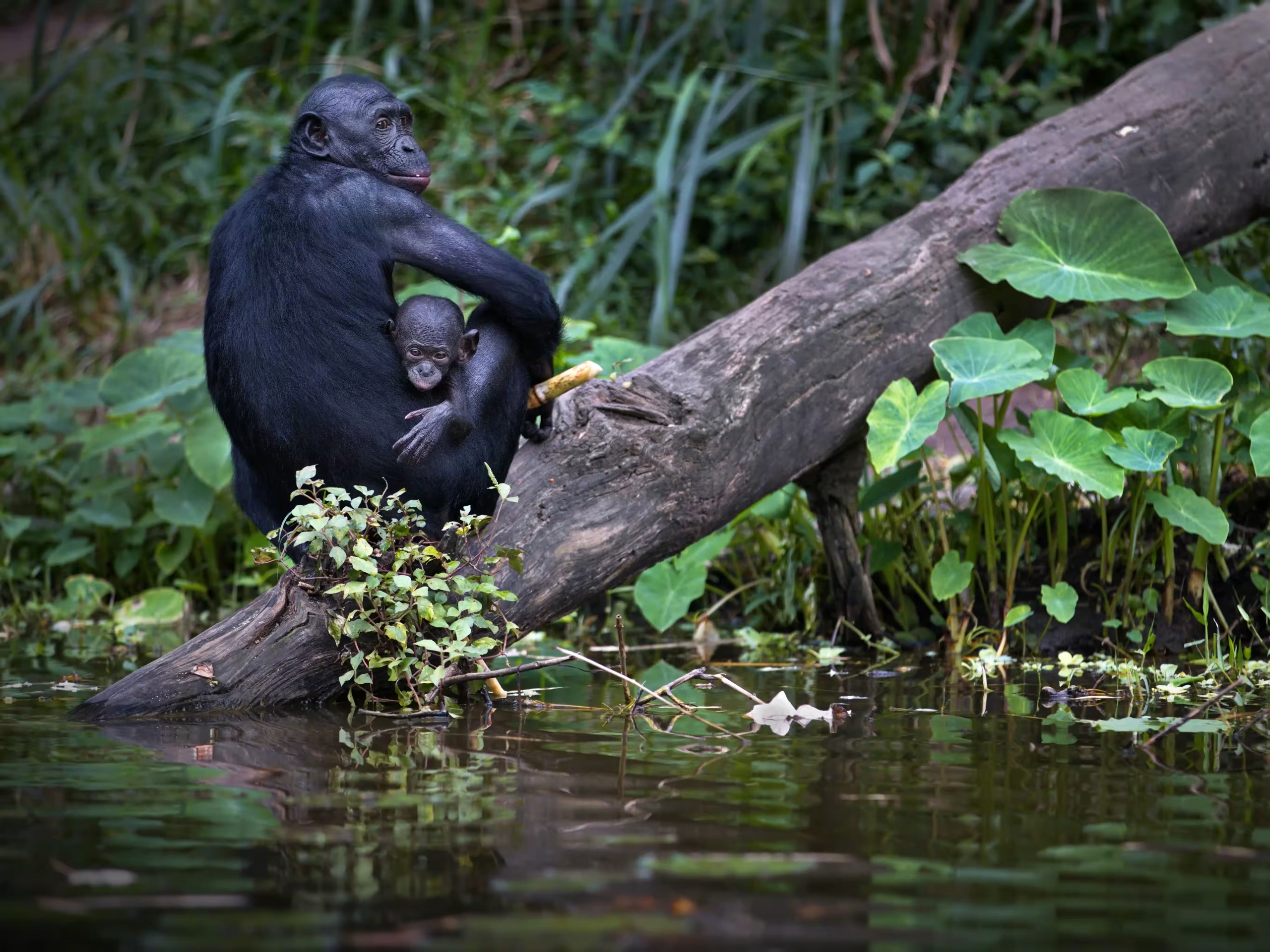
Today, Gombe Stream remains exactly as it was: a narrow band of rainforest pressed between steep mountains and the impossibly blue waters of Lake Tanganyika. There are no roads. The chimpanzees still live the same lives, follow the same trails, fight the same wars. The Kasekela community — the descendants of Jane's original study group — number around fifty individuals and are followed daily by researchers who know each one by name, history, and lineage.
"Now I must accept the fact, both painful and exciting, that the chimpanzees and I are not so different after all."
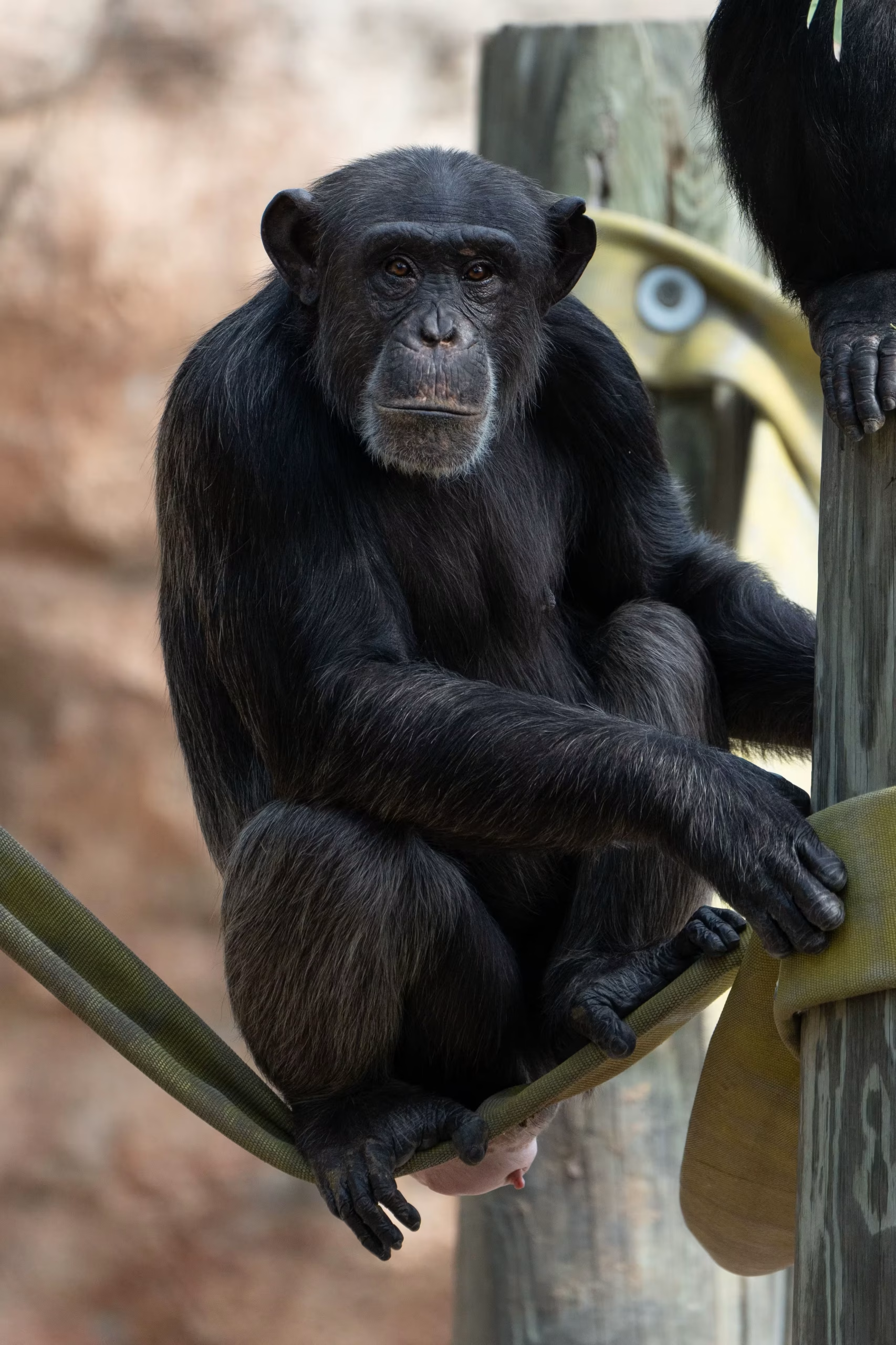
A visit to Gombe is not a safari in any conventional sense. There are no game drives, no Big Five, no sundowner cocktails on the savannah. There are forested hills, hot tropical days, narrow trails through dense bush, and the privilege — if you are lucky and fit — of sitting six feet from a wild chimpanzee as it grooms its child, cracks open a palm nut, or simply watches you watch it.
Gombe is small. Gombe is remote. Gombe is for people who care deeply about primates, about science, about places where a single human being changed the world. If that describes you, no other destination on this list will move you as deeply.
 Activity
01